Living Form
Sculpting with Bio-Materials
Research and development into living and bio-fabricated materials for regenerative sculptural practice.
Living Form is a research and development project exploring how living and bio-fabricated materials — including mycelium composites and bio-based binders — can be integrated into sculptural practice.
The project asks whether sculpture can move beyond material substitution toward regenerative systems: materials that grow, transform, decay and participate in ecological processes rather than simply representing them.
This page brings together visual references, material tests, and contextual work that inform the research direction of the project.
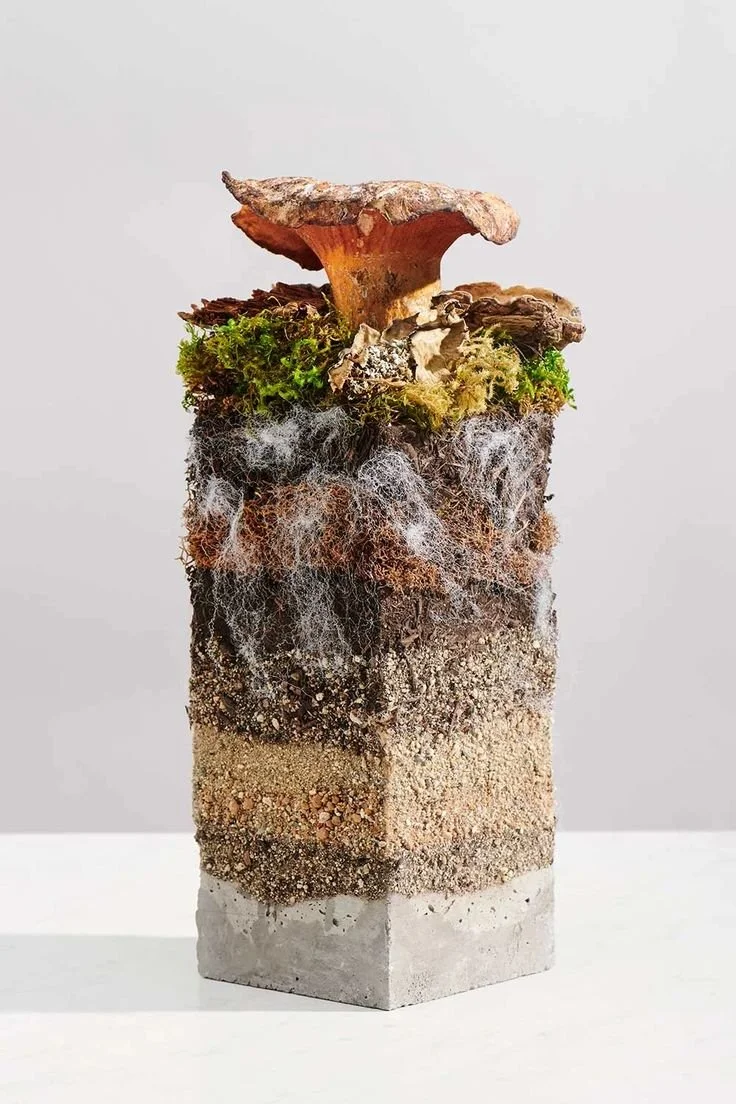
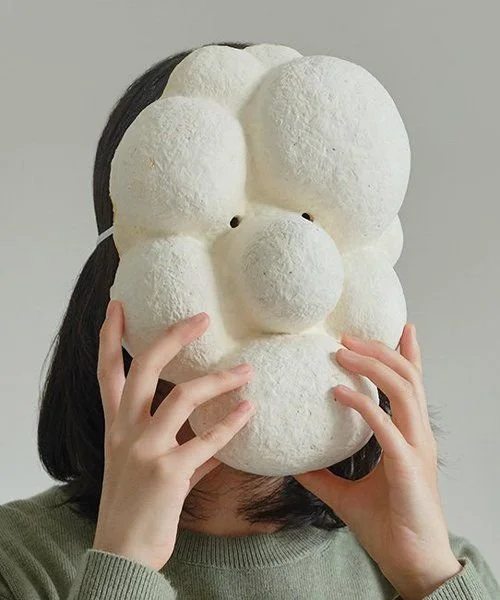
Visual Flavour
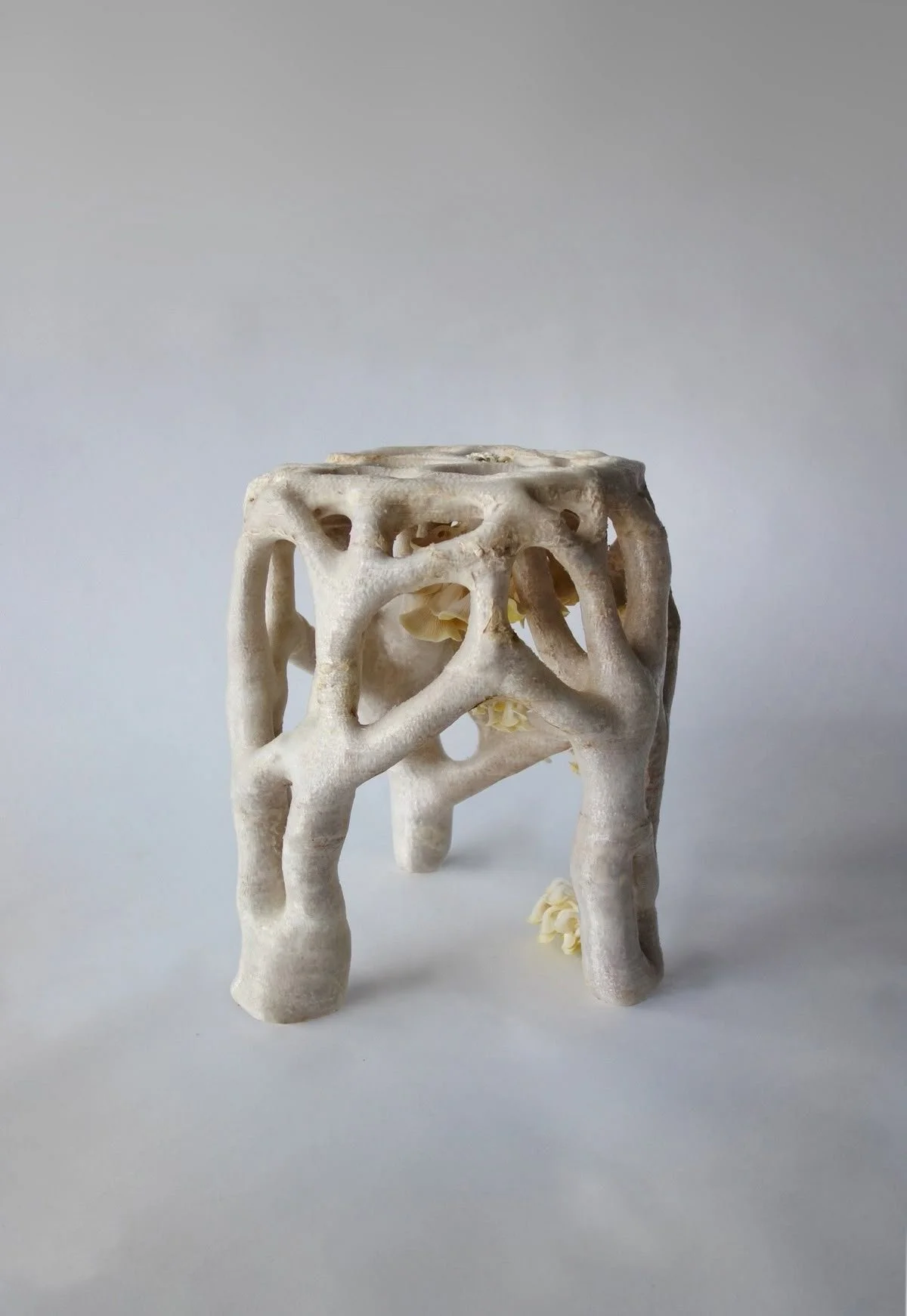
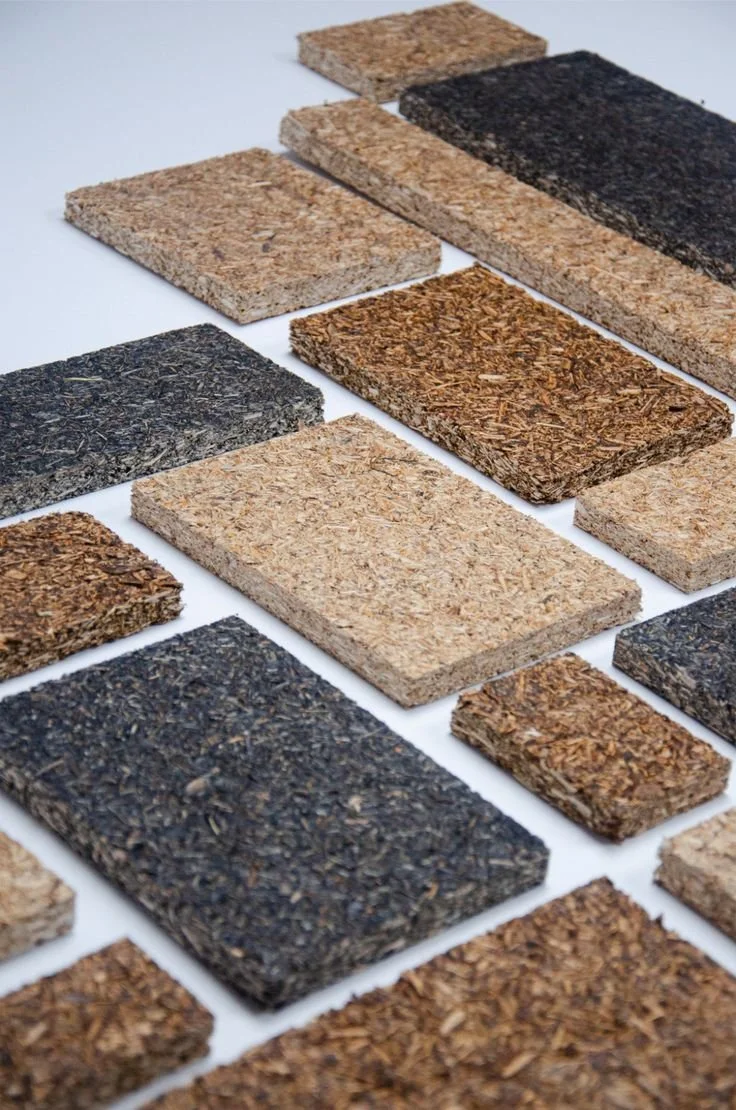
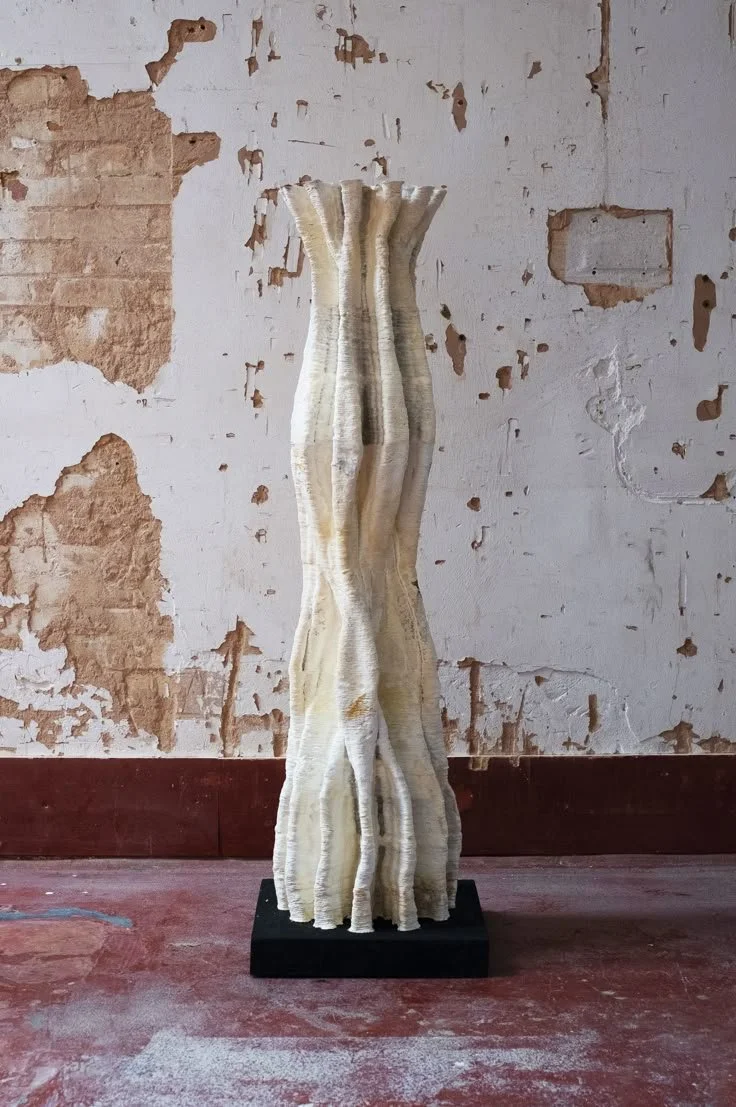
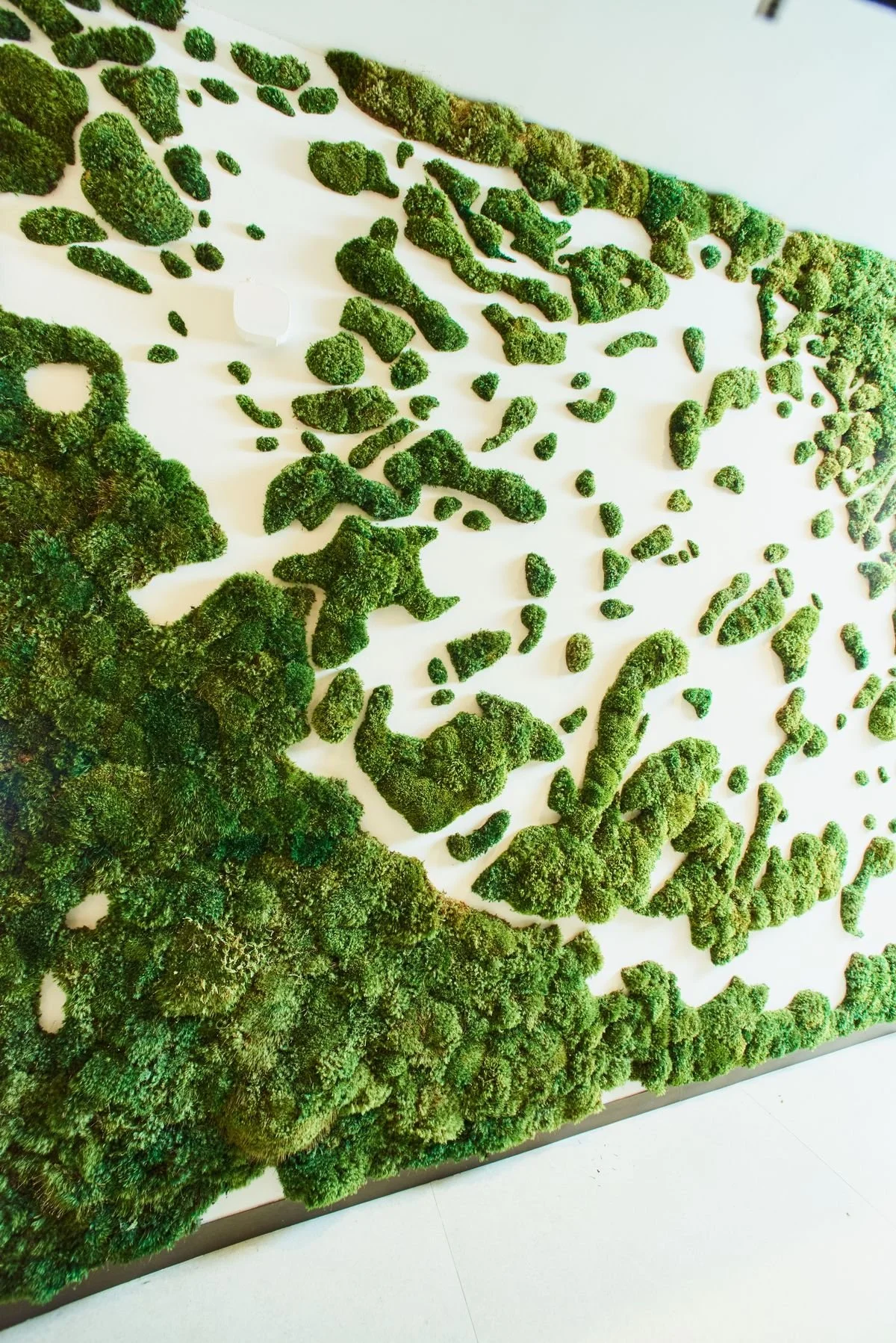
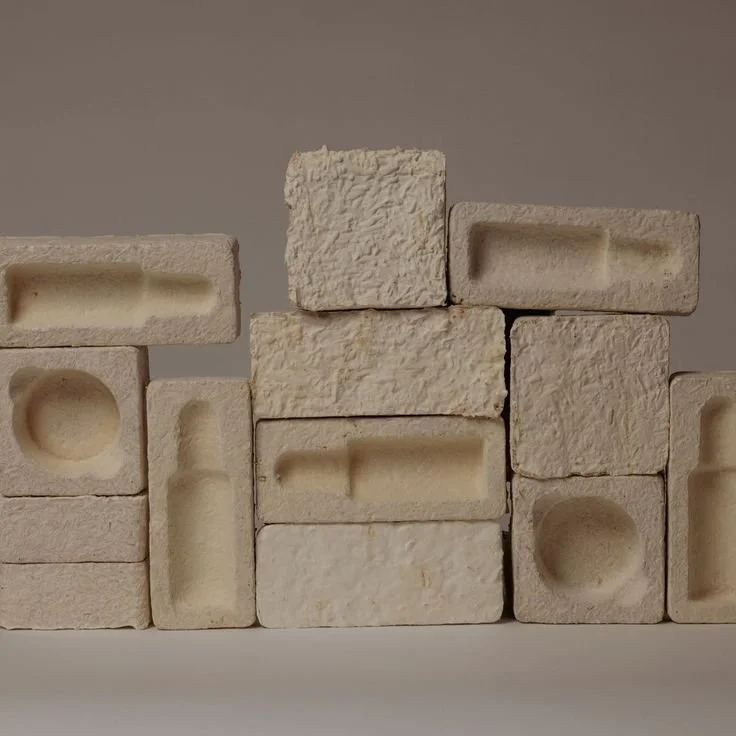
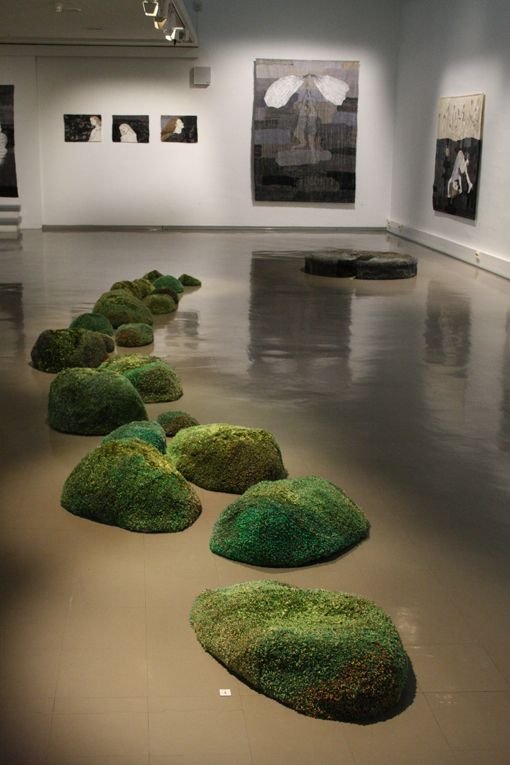
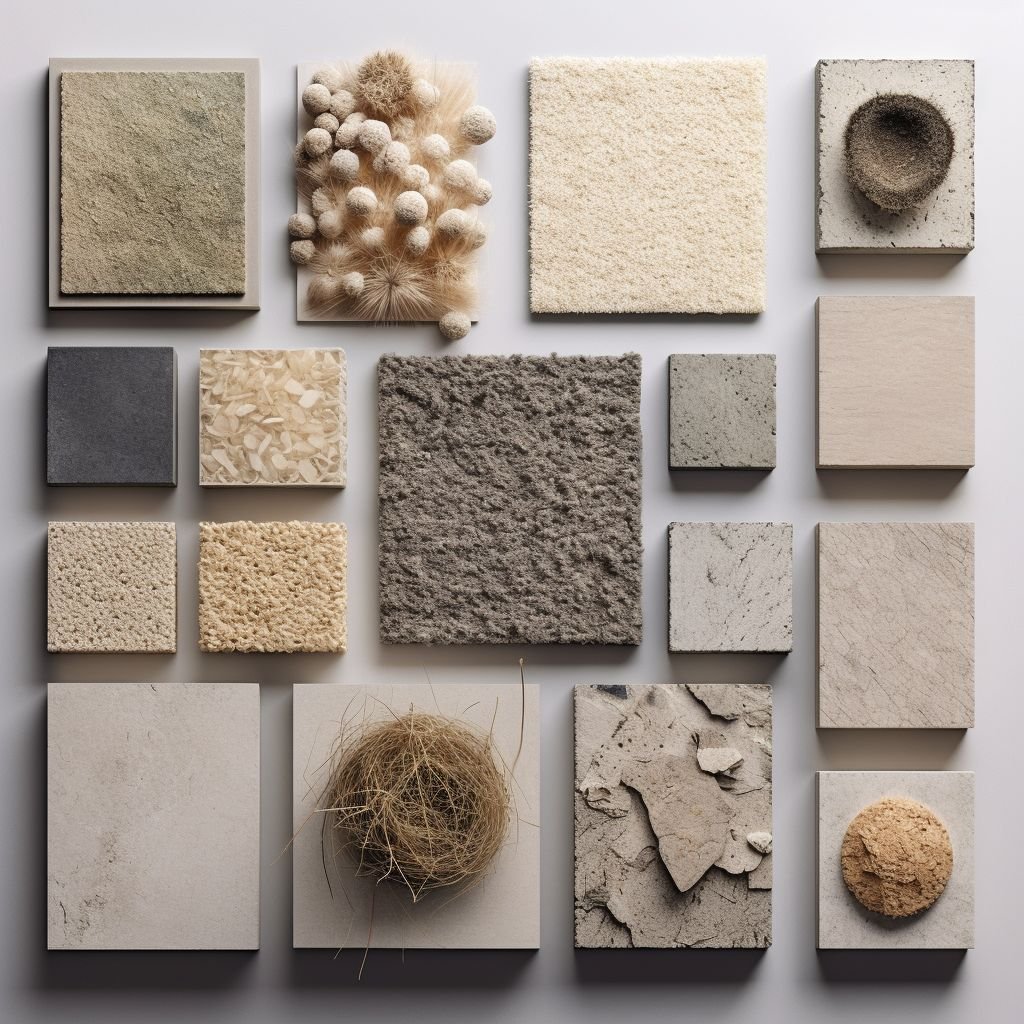
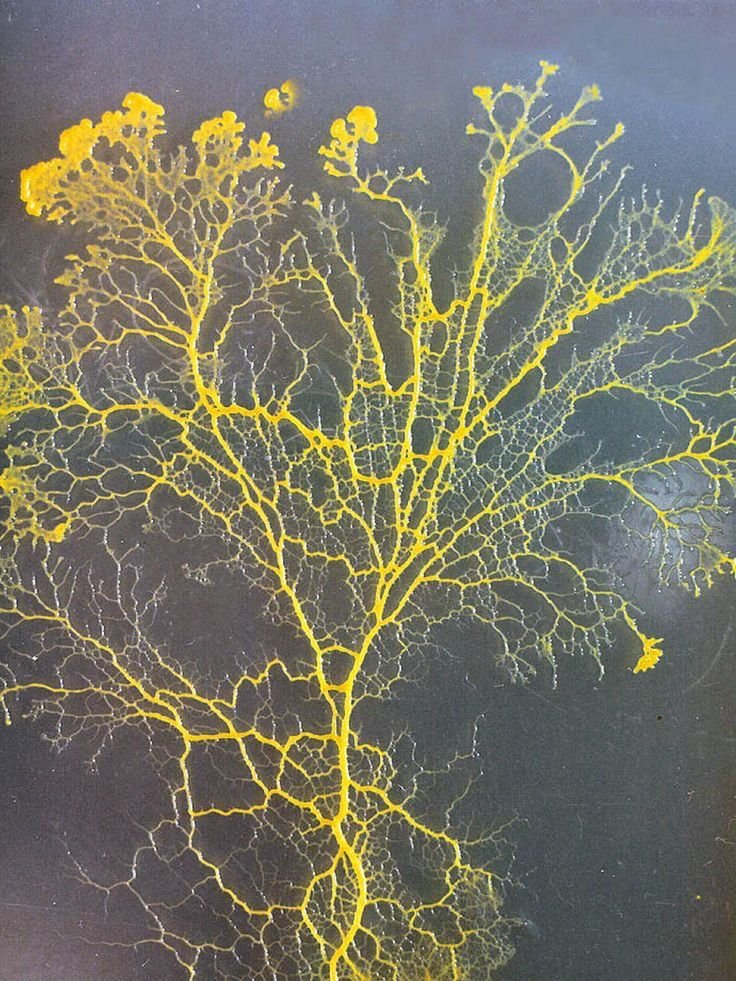
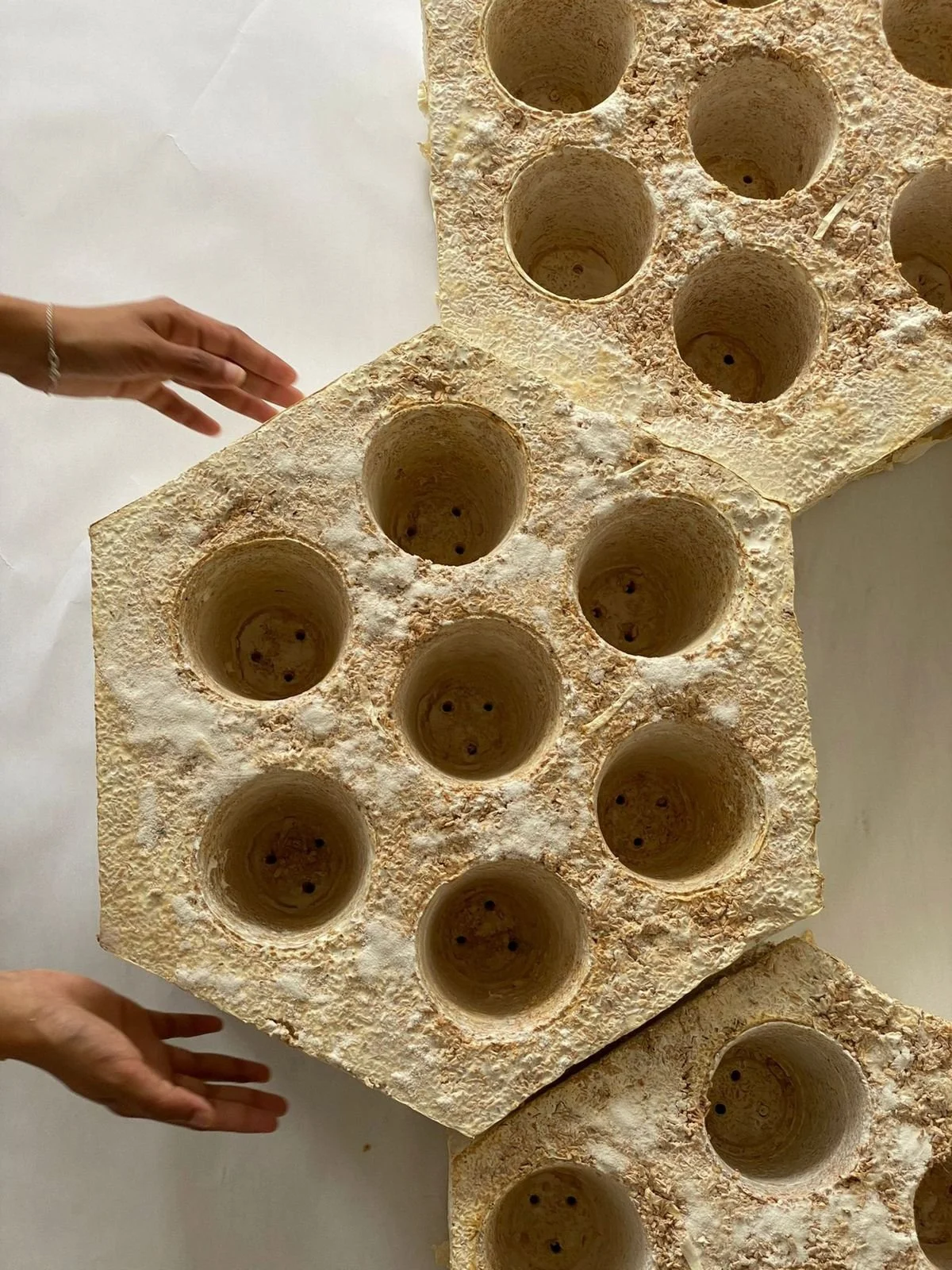
Indicative material references: mycelium composites and bio-fabricated forms demonstrating growth-led structure, surface texture and organic transformation.
Images shown for material context rather than final outcomes - not my own content (Various sources).
My existing practice
My recent sculptural practice has focused on industrial materials, waste streams and material lifecycles within public contexts. Works such as RISE (2020), MELTING POINT (2024) and Emergence (2025) have examined extraction, energy use and material afterlives through large-scale sculptural forms.
Living Form extends this trajectory by shifting from recycling and reuse toward living systems — asking how sculpture might actively participate in cycles of growth, decay and regeneration rather than remaining materially static.
This R&D builds on my background in sustainability strategy and industrial symbiosis, translating those frameworks into materially led artistic experimentation.
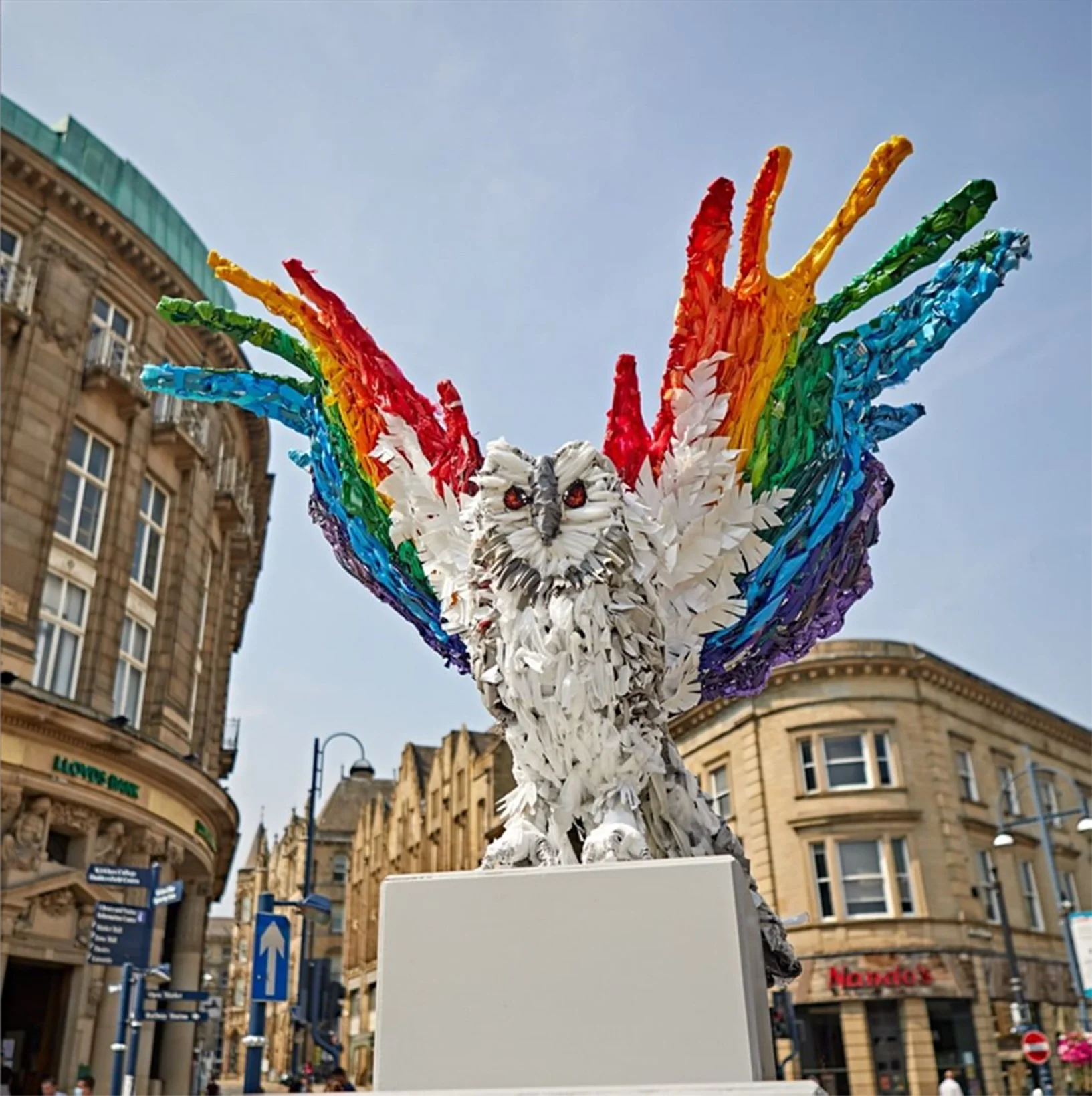
RISE
Public sculpture using reclaimed steel and scrap plastic
RISE (2020) marked the beginning of my sustained engagement with material lifecycles and industrial waste as sculptural media. Working with reclaimed steel and scrap plastic foregrounded questions of extraction, reuse and environmental responsibility within a public realm context. This project established my interest in how material choice carries ecological meaning — a line of enquiry that Living Form extends by moving from reclaimed industrial materials toward living, regenerative systems.
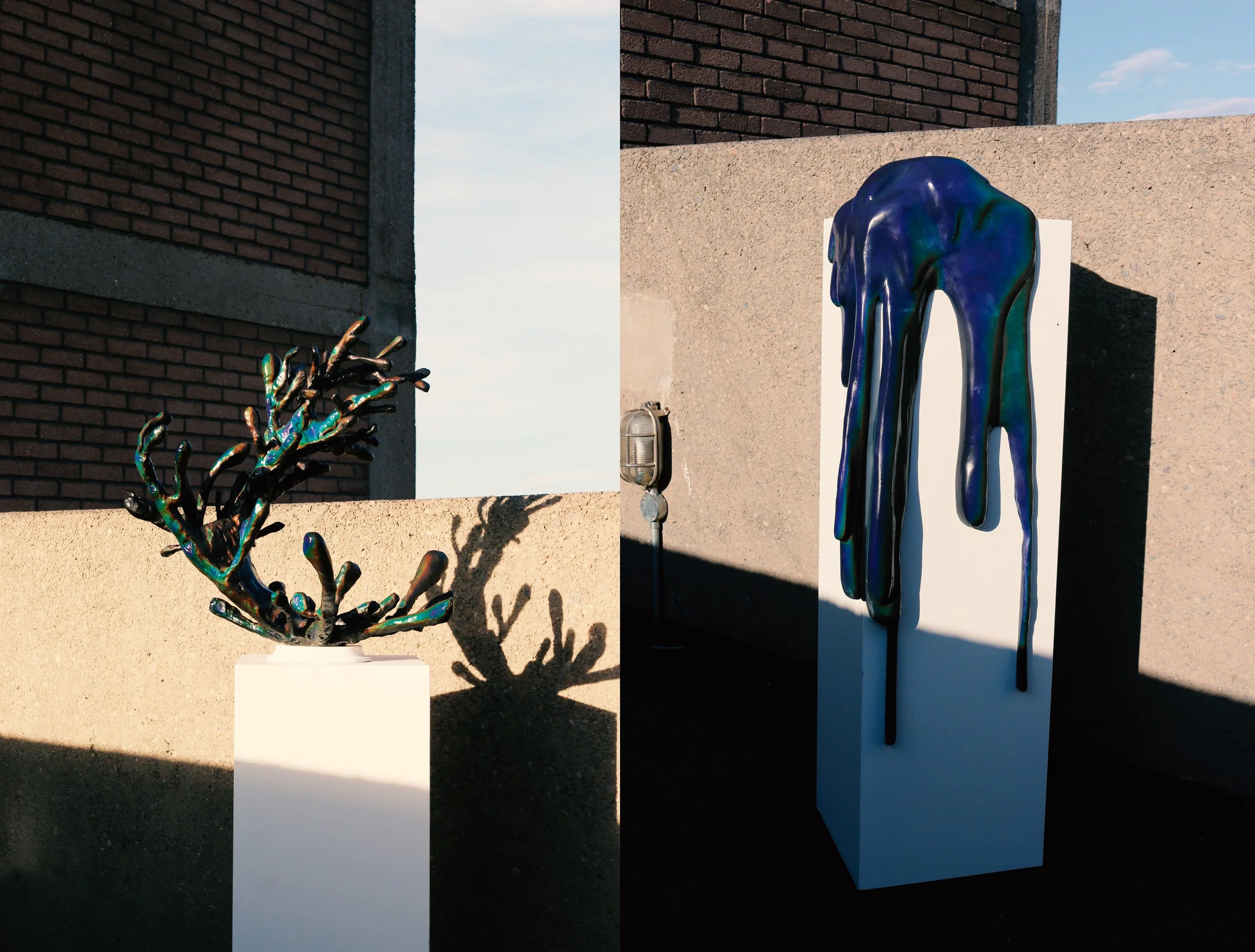
MELTING POINT
Interactive sculptural installation using recycled and compostable materials, and thermochromic pigments
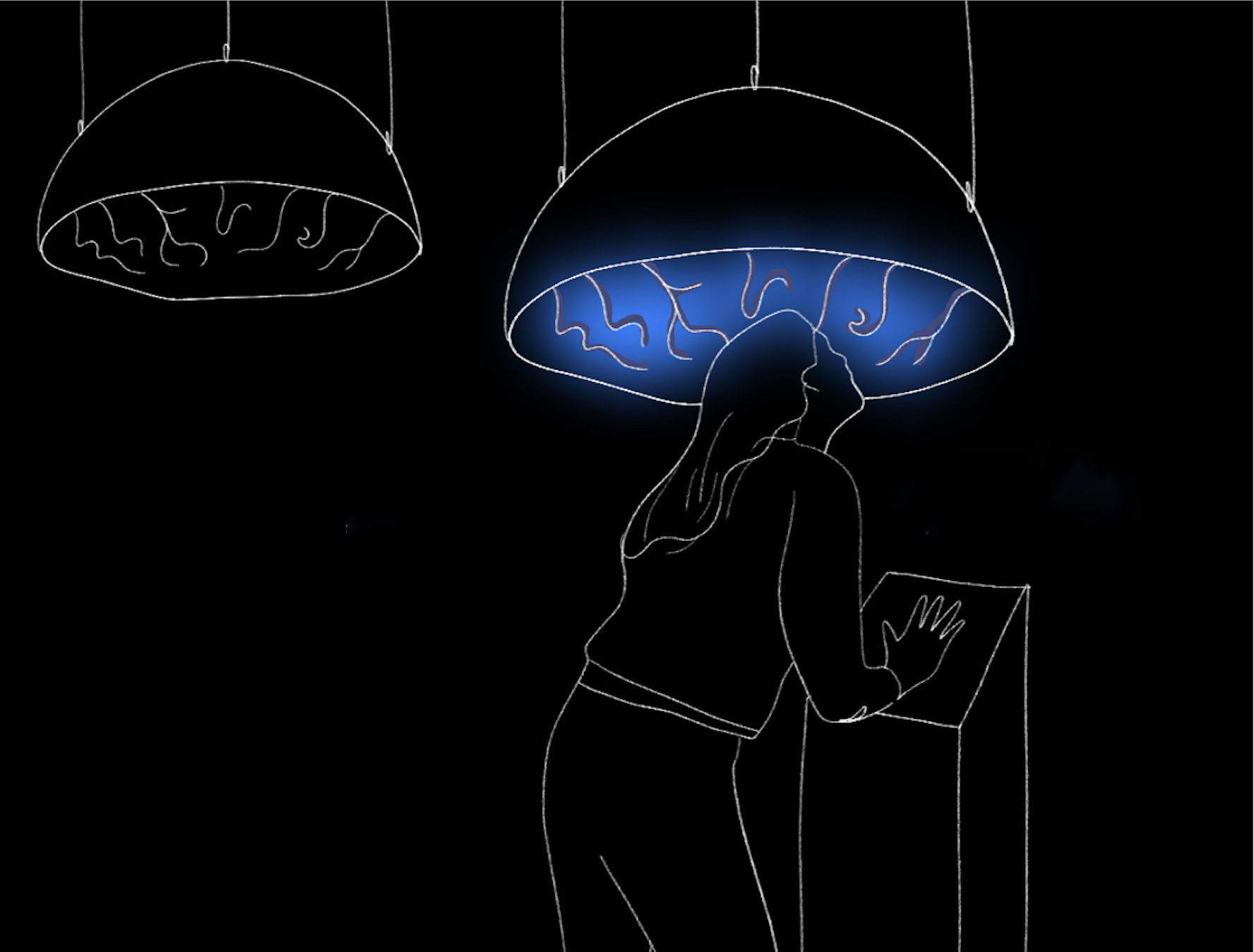
MELTING POINT (2024) explores material transformation and embedded energy through touch-activated sculpture, revealing hidden change via thermochromic pigments. Created from recycled and compostable materials, the work foregrounds lifecycle thinking and environmental impact. Developed for Festival of the Mind 2024 at the University of Sheffield in collaboration with the Grantham Centre for Sustainable Futures, its focus on material responsiveness and transformation directly informs Living Form, where growth and change become intrinsic to sculptural form.
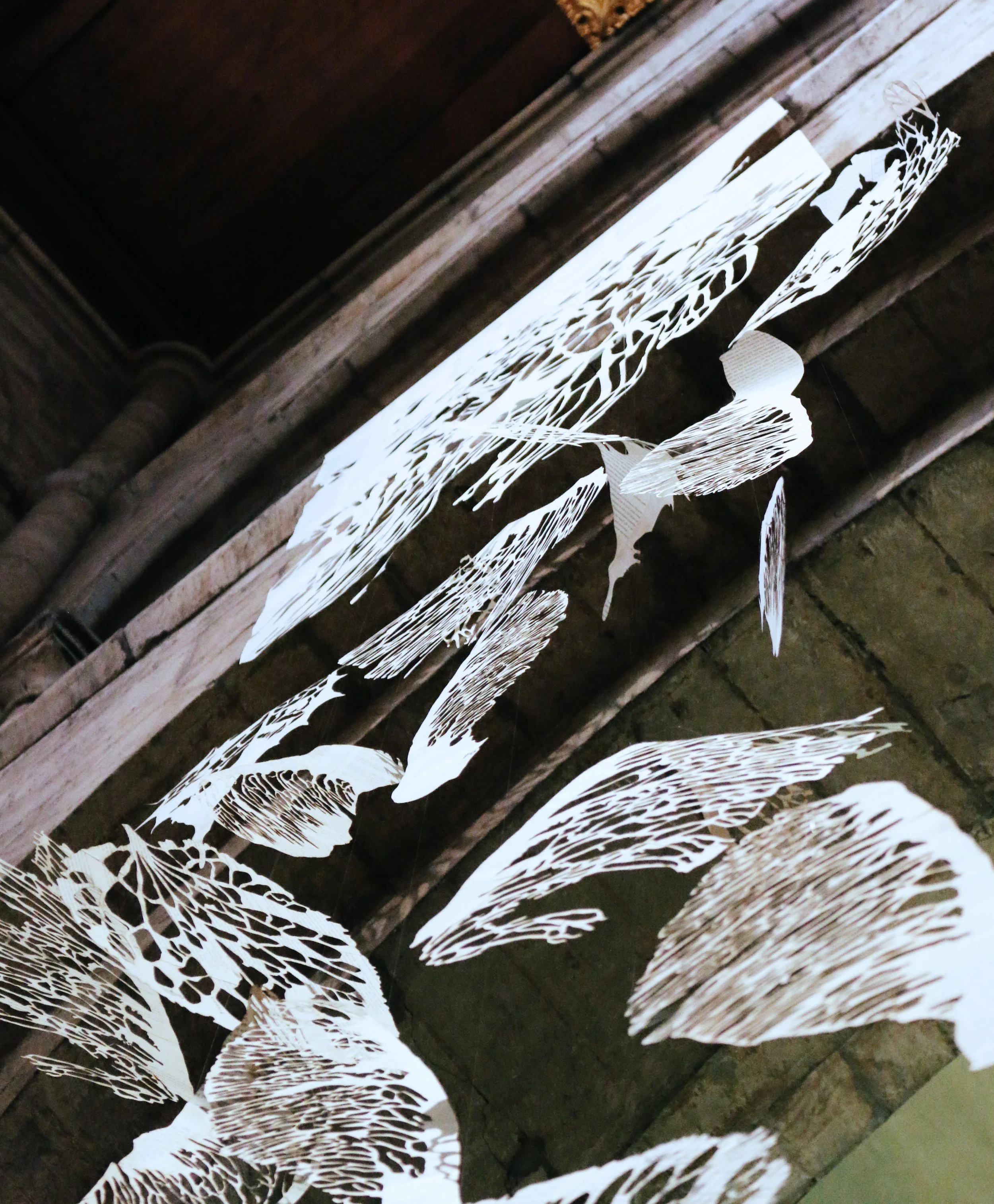
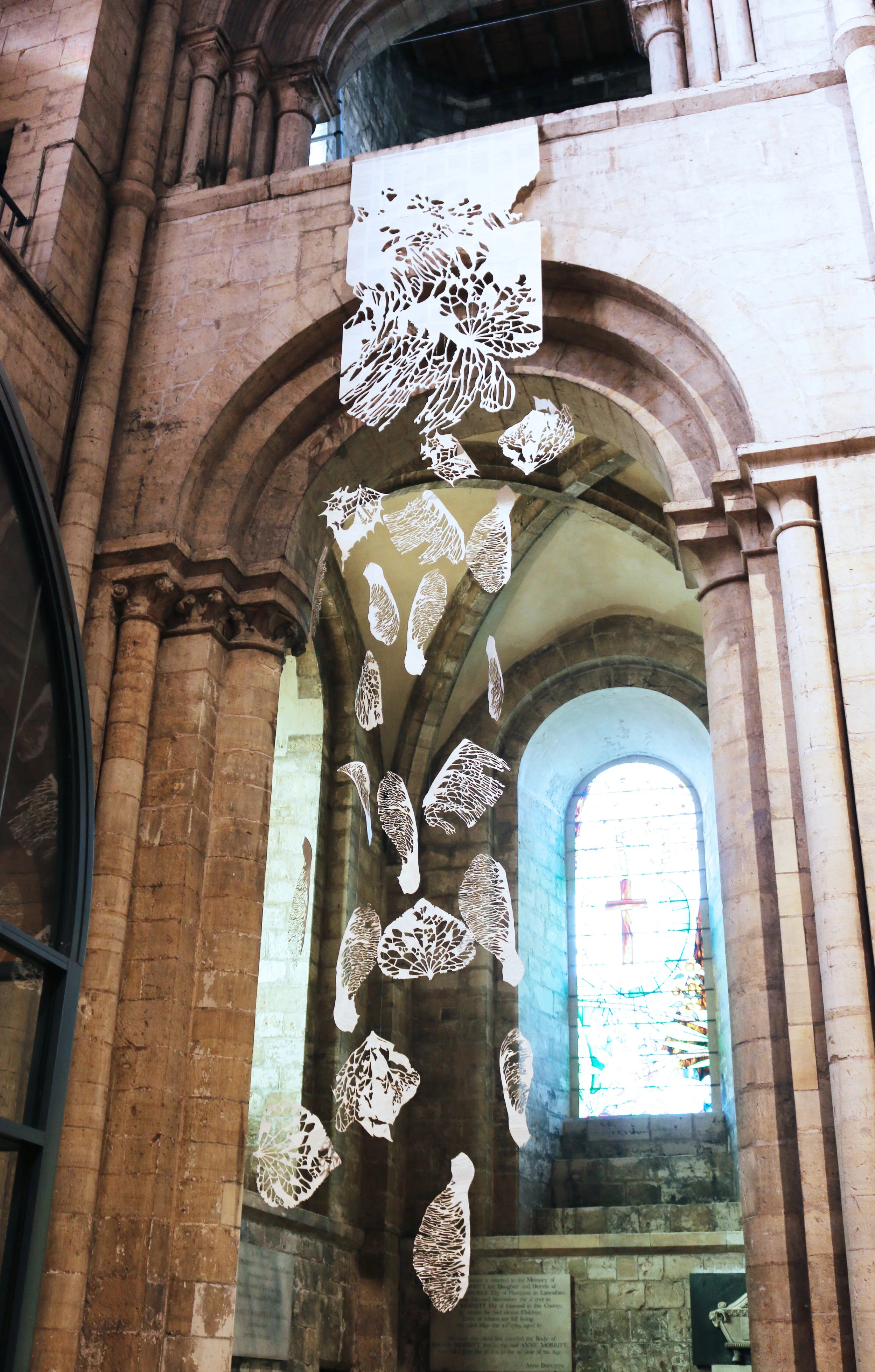
Site-responsive sculpture made entirely from scrap library books & compostable glues
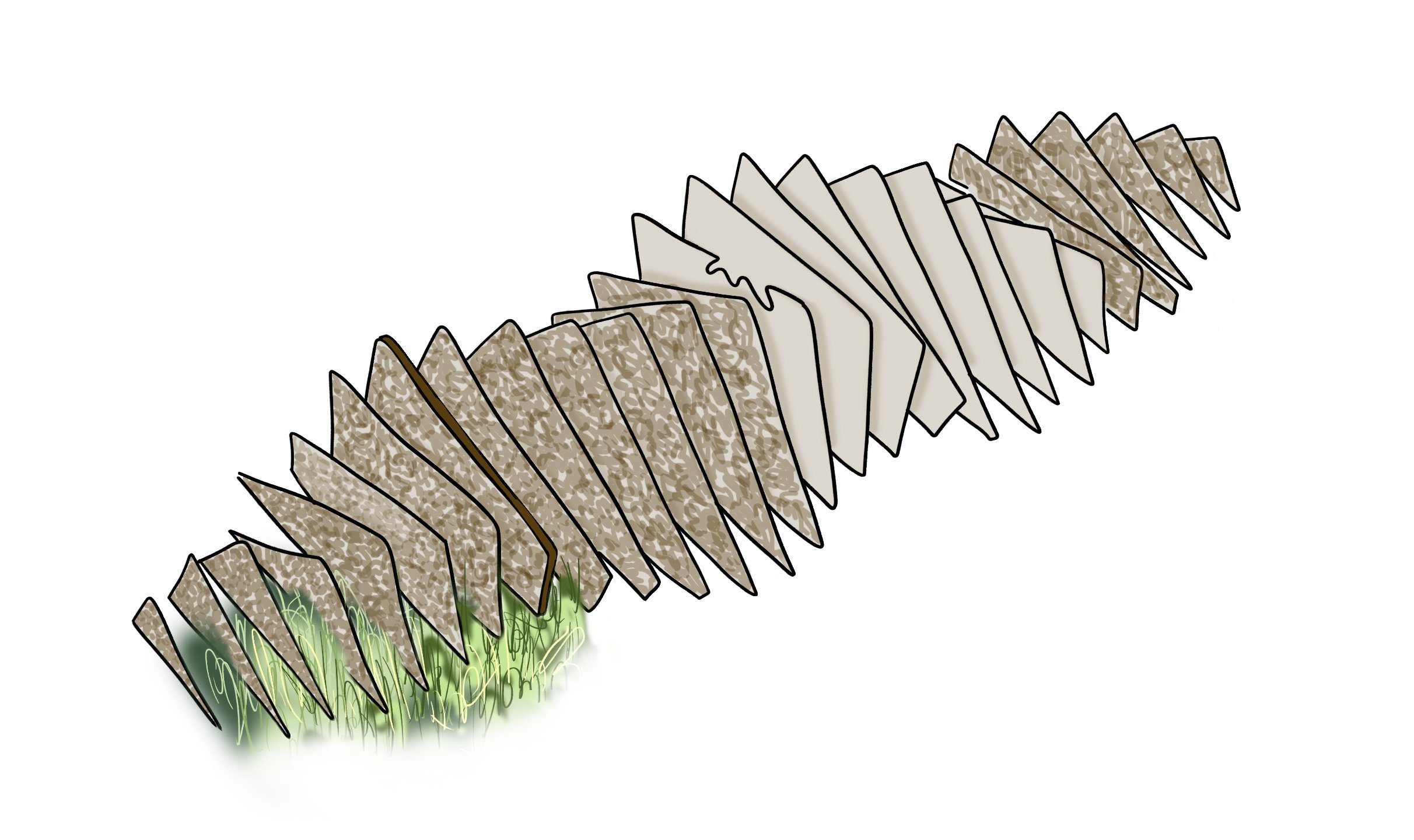
Emergence (2025) was produced using only waste materials sourced from Selby Abbey, the local library and community centre. Referencing the decaying seed heads and leaves found within the abbey grounds, the installation explores cycles of growth, transformation and decay through large-scale sculptural form. The strict material limitations required creative problem-solving and directly catalysed Living Form, which investigates whether working within fully cyclical material systems can generate new sculptural possibilities rather than constrain them.
EMERGENCE
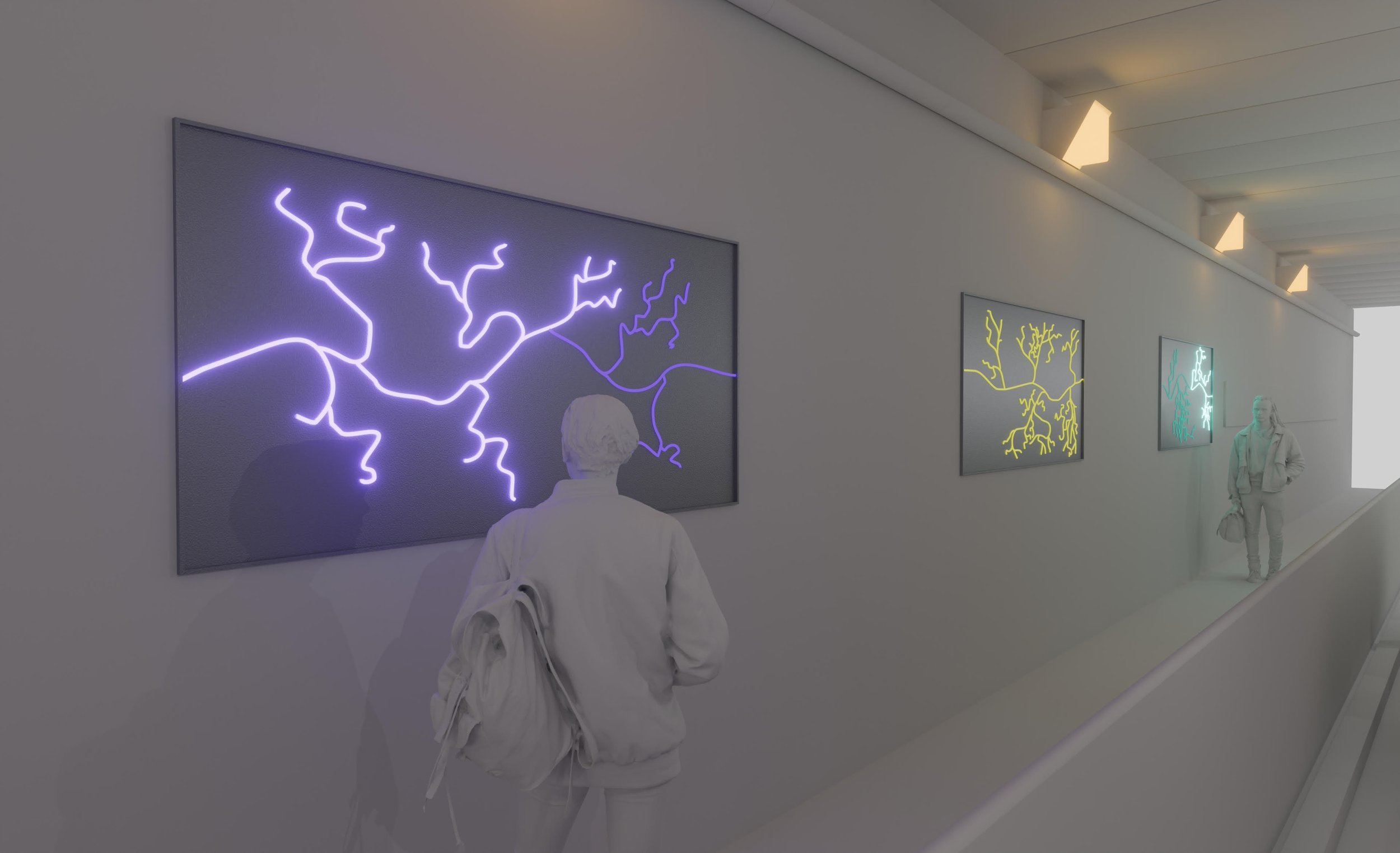
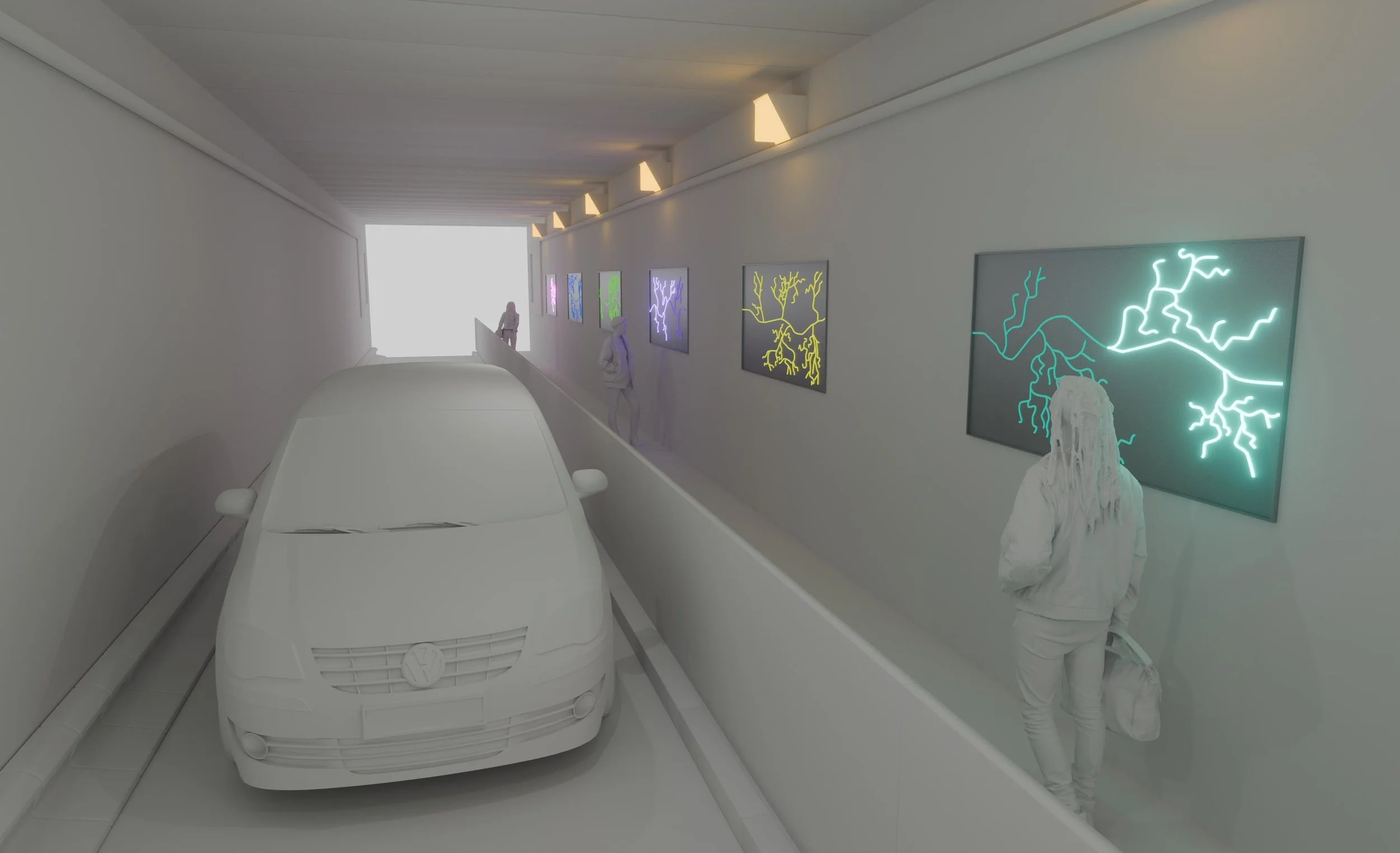
ROUTES Research & Development Phase - movement triggered LED reactions
ROUTES
Large-scale interactive light installation, steel, recycled makrolon and LEDs
ROUTES translates natural systems — including root structures and mycelium networks — into an interactive public artwork that responds to human movement. Commissioned by South Oxfordshire District Council for a heavily used site in Didcot, the work uses light as a guiding and safety-enhancing presence within the underpass environment.
As a permanent light artwork, ROUTES highlights the material and environmental challenges inherent in complex public commissions. This tension directly informs Living Form, prompting a shift from representing living systems conceptually toward investigating how they might be integrated materially and physically within sculptural practice.
How the research will unfold
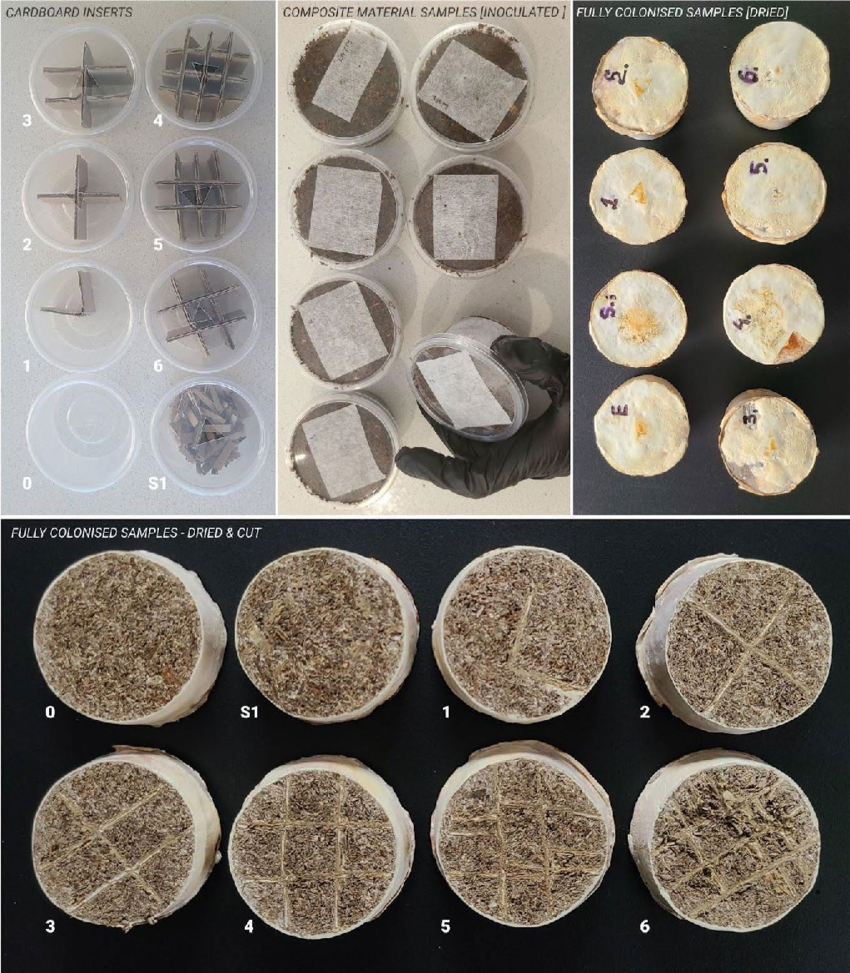
1. Testing mycelium composites using different organic and industrial by-product substrates
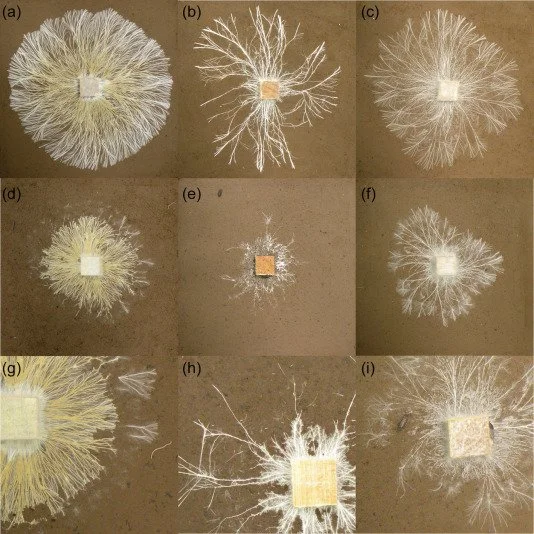
2. Observing growth behaviour, structural integrity and surface qualities
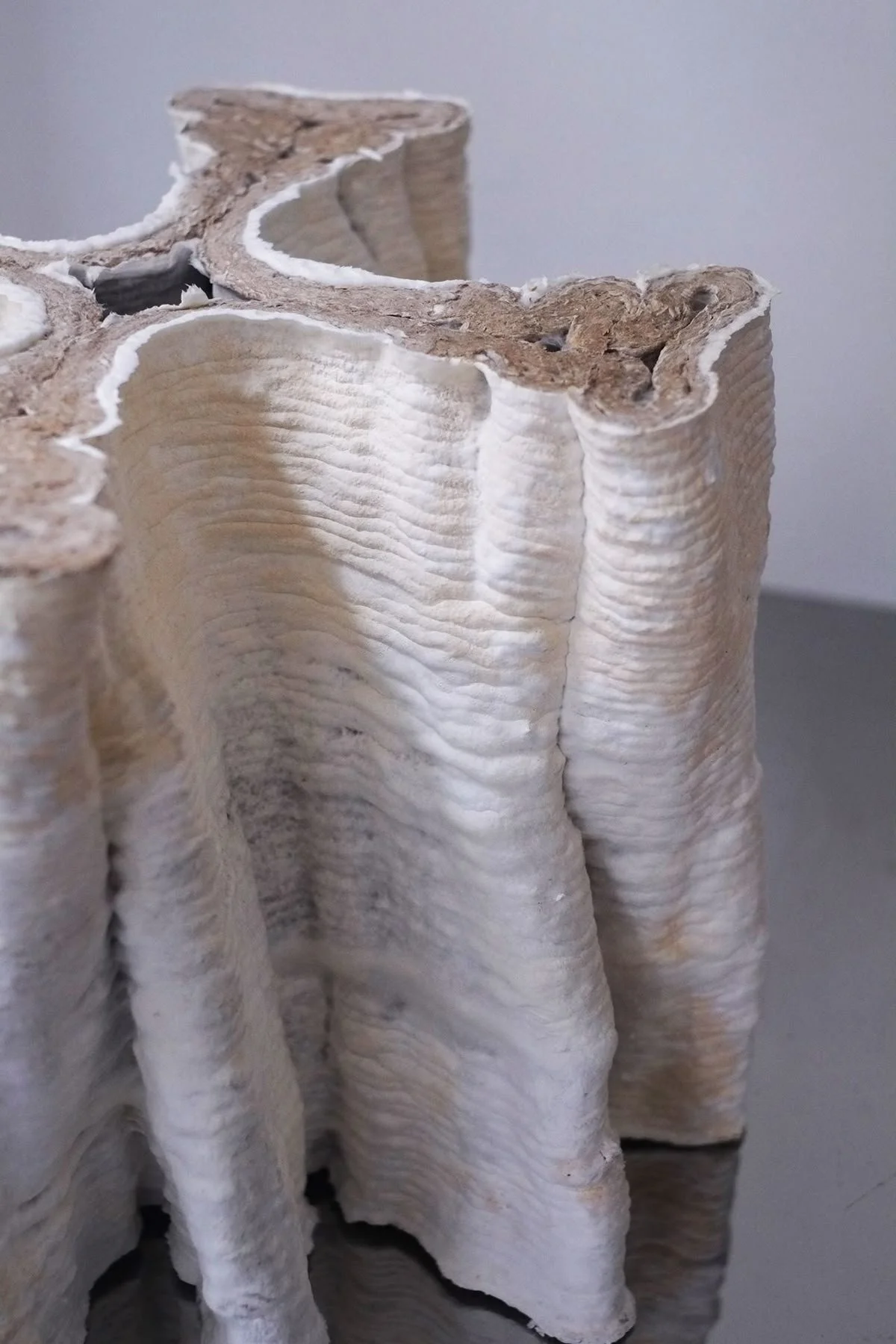
3. Integrating bio-materials with existing casting and forming processes
4. Documenting success, failure and material limits through photography, notes and time-based recording
5. Reflecting on durability, environmental footprint and public-realm viability
Images sourced from various locations - not my own content.
THE IMPACT
The outcome of Living Form is not a finished artwork, but a tested material methodology for working with living materials in sculptural practice.
Findings from the project will directly inform future public commissions, exhibitions and sector-facing resources, contributing to wider conversations around regenerative practice in publicly funded art.
My projects in development. Living form would influence each of them in unique ways.